Mini-Guide Series #01: What Are Those Stickers on My Vegetables?
A Quick Guide to PLU Codes and What They Mean for Your Health
What’s with those little stickers on your fruits and veggies? PLU codes hold clues about how your produce was grown, organic, conventional, or genetically modified. This post breaks down what to look for (and what to skip).
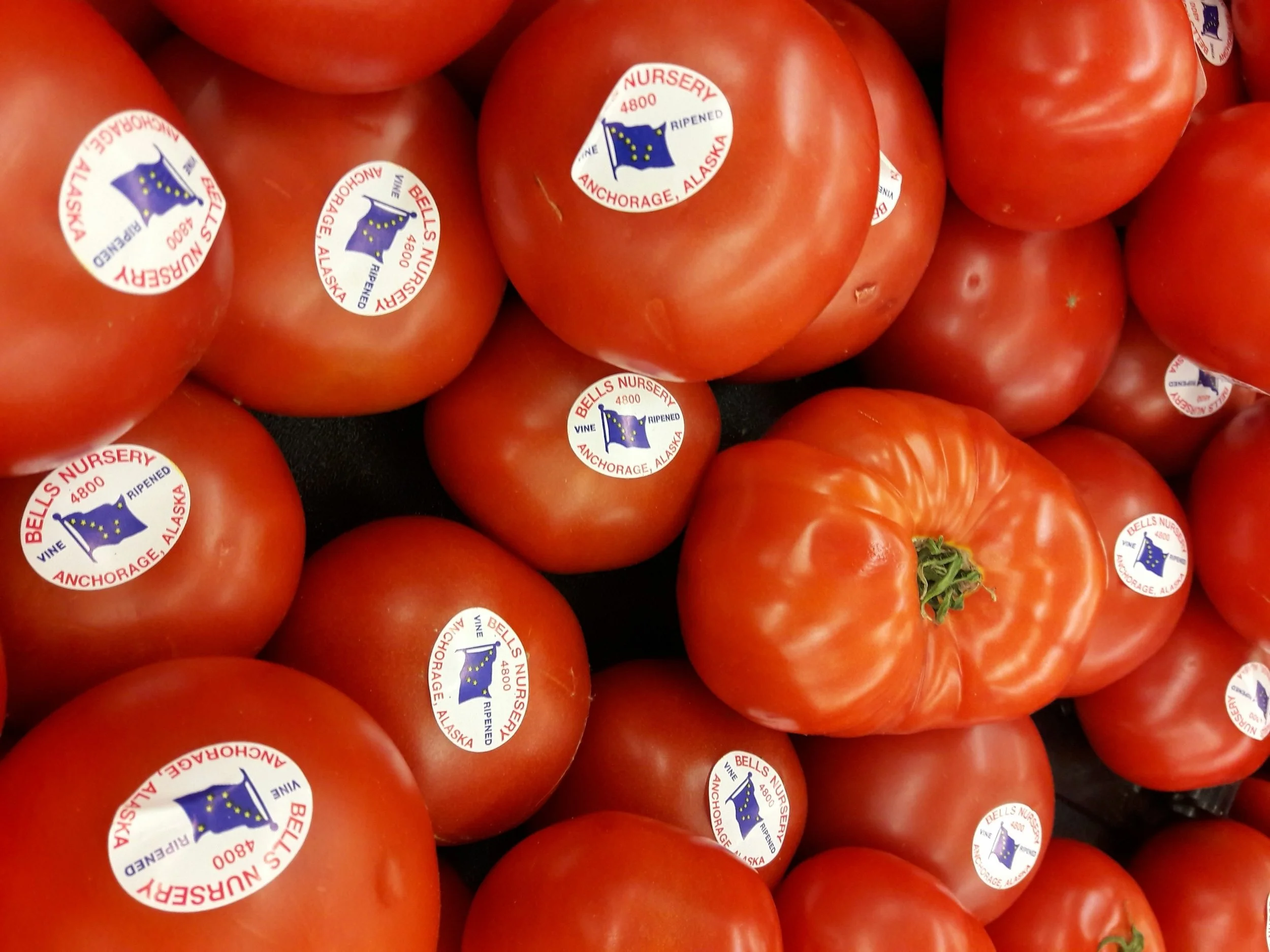
What Are the Stickers on My Vegetables?: A PLU Code Mini-Guide
If you've ever bought fresh produce, chances are you've seen those tiny stickers stuck to apples, bananas, or even avocados, and maybe you've grumbled a little while peeling them off. But beneath that stickiness lies a clue.
Those digits are called PLU codes, universal across the world (not just for the specific store).
PLU stands for Price Look-Up, and while they’re used at checkout to scan and track produce, they also tell you how your food was grown. Let’s decode them.
How to Read a PLU Code
PLU codes are either 4 or 5 digits long. The first digit holds the secret:
Conventional produce: 4 digits, starting with 3 or 4
Example: 4800 = a conventionally grown tomatoOrganic produce: 5 digits, starting with 9
Example: 94800 = an organically grown tomatoGenetically modified (GMO): 5 digits, starting with 8
Example: 84800 = a GMO tomato
Or, if you see 4080, that’s a conventionally grown asparagus.
If it says 94080, it’s organic.
And if you ever spot something starting with 8, it's a GMO, though in reality, GMO produce is rarely labelled due to lack of regulation.
Why It Matters
PLU codes weren’t designed with health in mind, but they’ve become a handy tool, especially if you're dealing with:
Pelvic or breast health concerns
Hormonal balance or fertility support
Chronic skin or digestive issues
Or simply aiming for a lower-toxin lifestyle
In these cases, choosing organic when possible can be one small (but meaningful) way to reduce ongoing exposure to pesticides and synthetic fertilizers. They disrupt your hormones and cause various health issues.
Organic doesn’t mean perfect, but less added burden means more capacity to heal.
The Bottom Line:
Next time you see one of those little fruit tattoos, pause and peek.
You don’t need to memorize all the numbers, just remember this:
9 = Organic
3 or 4 = Conventional
8 = GMO (rarely labeled)
That tiny sticker might just help you make a choice that supports your health, your soil, and your peace of mind. Small habits add up.