Mini-Guide Series #08: Are Canned Food healthy?
Canned food comes with more than food
Canned foods are convenient, shelf-stable, and often ready to eat.
But there are a few things worth understanding about the can itself.
This guide looks at what canned foods are made of, what lines the inside, and how to make more informed choices without overthinking it.
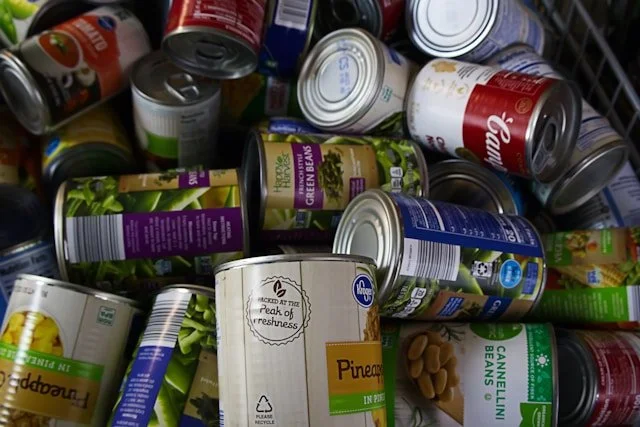
Canned Food: Life Saver or Something to Rethink?
Canned foods are convenient. They last a long time, require little to no preparation, and can be helpful to keep on hand.
Some nutrients are preserved well through the canning process, making them a reliable option when fresh food isn’t available.
They can also be important during times when cooking isn’t possible, such as power outages or emergencies.
But when it comes to long-term, everyday use, there are a few things to consider.
What Are Cans Made Of?
Most canned foods are packaged using one of the following:
Steel (tinplate)
Common for vegetables, soups, and ready-made meals.
Usually coated with a thin layer of tin or chromium to prevent rust and corrosion.Aluminum
Often used for beverages, fish, and some packaged foods.
Aluminum on its own reacts easily with acidic foods, which is why it is typically lined.
There has been ongoing discussion around aluminum exposure and its potential link to neurological or kidney-related conditions. The evidence is still evolving, but it’s one reason why direct contact is usually avoided through internal coatings.
Not Just Aesthetic
Damage to the can may compromise the inner lining, increasing the chance of the contents coming into contact with the metal.
As a general rule, it’s best to avoid cans that are heavily dented, bulging, or leaking.
The Lining: What Actually Touches Your Food
The inside of a can is almost always lined.
This lining acts as a barrier between the food and the metal, helping preserve both safety and shelf life.
However, this also means your food is in contact with the lining itself.
Common materials include polymer-based coatings such as PET or polypropylene.
Some cans have historically used BPA, a compound that has been studied for its effects on hormones.
Many products are now labelled “BPA-free,” though alternative coatings are still being studied.
What Actually Matters
You don’t need to eliminate canned foods entirely.
A few things make the biggest difference:
Frequency
Occasional use is very different from daily reliance.Type of food
Acidic foods (like tomatoes) interact more with the lining.Condition of the can
Avoid damaged or compromised cans.
Better Options (When Possible)
If you’re choosing between options:
Glass jars are often a simple alternative
Fresh or frozen foods can be rotated in when available
For commonly used items (like beans or tomatoes), small changes add up over time
Closing
Canned foods serve a purpose, and they can be part of a practical kitchen.
It’s simply helpful to remember that it’s not just the food, but also what it’s stored in.