Mini-Guide Series #09: Water Quality - What Actually Matters
What’s in your water beyond H₂O
Our body is largely made of water. Replenishing it is one of the key healthy habits.
But we aren’t talking about the quality of water enough. This post explores what determines water quality, and simple ways to make it better for our health.
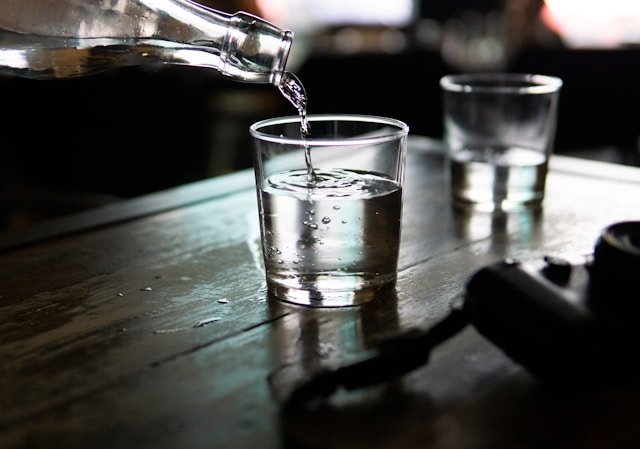
Water. Why We Fuss About It?
Water is water, you think?
It’s just a small molecule made up of one oxygen and two hydrogen atoms, H₂O.
So what’s the hype?
Pure H₂O can exist in lab settings and is sold as distilled water. But have you tasted distilled water?
It doesn’t taste very good.
What makes water taste good is the minerals in it.
And what makes water less ideal is the presence of unwanted chemicals or contaminants.
Bottled Water
Bottled water must be clean and healthy, right?
Sometimes it comes from beautiful sources like the Alps. But not all bottled water comes from such places.
And as discussed in the previous Mini Guide #07: Plastics. What’s the Hype?, plastic bottles, can leach small amounts of substances into water, especially with heat or time.
Drinking from them occasionally is fine, but relying on them daily may not be ideal, especially you have hormone/endocrine concerns.
If you need to carry water, use a glass or stainless steel bottle.
Is Tap Water Safe?
The answer depends on location.
Where I am located (Toronto, ON, Canada), tap water is considered drinkable.
It goes through treatment processes to reduce contamination, and drinking it will not cause immediate harm.
But factors like older pipes or building infrastructure can affect water quality over time.
In some places, boil-water advisories are still necessary.
Is Tap Water Healthy?
For tap water that is deemed drinkable, is it healthy?
It may not be the “best” water, but it provides hydration, which is essential.
Some water is considered hard, meaning it contains more minerals like calcium and magnesium.
Soft water contains fewer minerals.
You can often taste the difference.
Tap water is better than dehydration.
But if we can improve the quality, it may be worth considering.
Ways to Improve Tap Water Quality
To reduce unwanted substances in your drinking/cooking water, you can consider:
Letting water sit
Leaving water uncovered for a few hours to overnight may allow chlorine (not chloramine) to dissipate.
This method is simple but not perfect.Boiling water
Boiling helps kill microbes, but it does not remove heavy metals or most chemicals.Using a water filter
Basic filters (often using charcoal/activated carbon) can improve taste and reduce some substances like chlorine.
Larger or well-maintained systems tend to be more effective.Reverse osmosis + minerals
Reverse osmosis removes a wide range of substances, including minerals.
Some people choose to add minerals back, though this is optional.