Mini-Guide Series #05: Choosing Cookware - Cast Iron for the Win
A cookware that lasts for generations and nutritious
Cooking with cast Iron might be a little intimidating, that you have to be good at cooking to qualify it.
But it is actually not the case! Let's explore this nutritious cooking tool together.
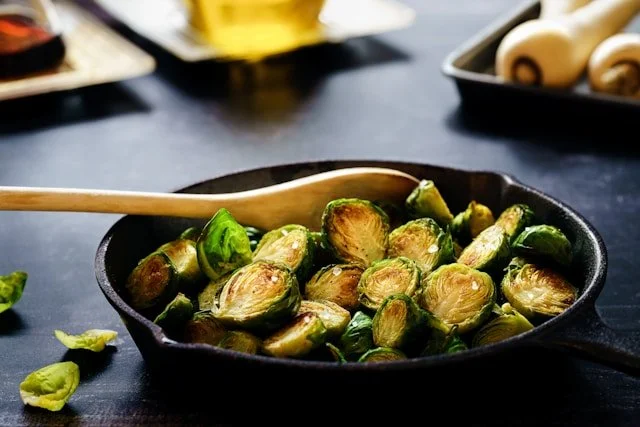
Is Cast Iron Only for Granny and Skilled Chefs?
Some say cast iron is too heavy and too much work to maintain. It is yes and no.
It is indeed heavy. But you are not meant to toss or flip it around. Once it is on the stove, it stays there. That actually makes cooking easier.
Seasoning is less of an issue once you get used to it. And actually, less seasoning can have its benefit. You do not want to cook in a rusted pan, but it does not have to be perfectly seasoned either.
Hypes about Iron from the Skillet
Cast iron cookware is, as the name implies, made of iron.
As you cook food in it, a small amount of iron can leach into your food, which you then ingest. In contrast to the previous post about non-stick pans [link], where what leaches out is not ideal, cast iron tolerates very high heat, and what transfers can be beneficial.
Iron is one of the minerals the body requires for day-to-day function. It is especially important for blood production and for preventing and treating iron deficiency anemia. We often treat this with iron supplement, but it comes with side effects such as nausea, stomach pain, or constipation. Also, not all of it is absorbed (so basically quite a bit of it comes out form the bottom end as an expensive poop).
The amount of iron you get varies depending on how and what you cook. Yes, it is a small amount, but it adds up over time and much is easier on the body, and you get unlimited iron supply.
Variation of Cast Iron cookware
There are various kinds:
frying pan / skillet: shallow with a wide flat bottom. good for stir-fry, roasting, baking
Dutch oven: for soups, deep frying, and baking
Japanese iron kettle: for boiling water. It requires a little more care, but it can add iron to water.
How to maximize iron while cooking with Cast Iron Cookware
Here are a few ways:
Add something acidic
A splash of rice vinegar, lime juice, or a bit of soy sauce with citrusLonger cooking
the longer you cook in it, the more iron is transferred in your foodInclude vitamin C-rich vegetables
Bell peppers, broccoli, bok choy, cabbageUse a newer pan or one with lighter seasoning sometimes
Less seasoning can allow more iron to transfer (you will need to re-season after)
When Cooking in the iron cookware is not an option
If you cannot cook with cast iron, there are still ways to get iron.
There are pieces of iron that can be placed in your pot while cooking.
For example, Lucky Iron Fish* can be added to soups, pots, or even kettles (with some acid like lemon or vinegar) to help increase iron.
*Note: I am not affiliated. I am just sharing one example here.
Final Note
Cooking with cast iron can help increase iron intake, but it does not replace treatment.
If anemia is more severe, or due to other causes such as vitamin B12 deficiency, supplementing iron is not harmful but a different approach is needed.