Mini-Guide Series #04: Ditching Non-Stick Pans
A First Step for Healthy Cooking
Let's learn the science behind non-stick pans. While they are time-saver and make you feel like a great cook for sunny side up, there are actually downside for our health.
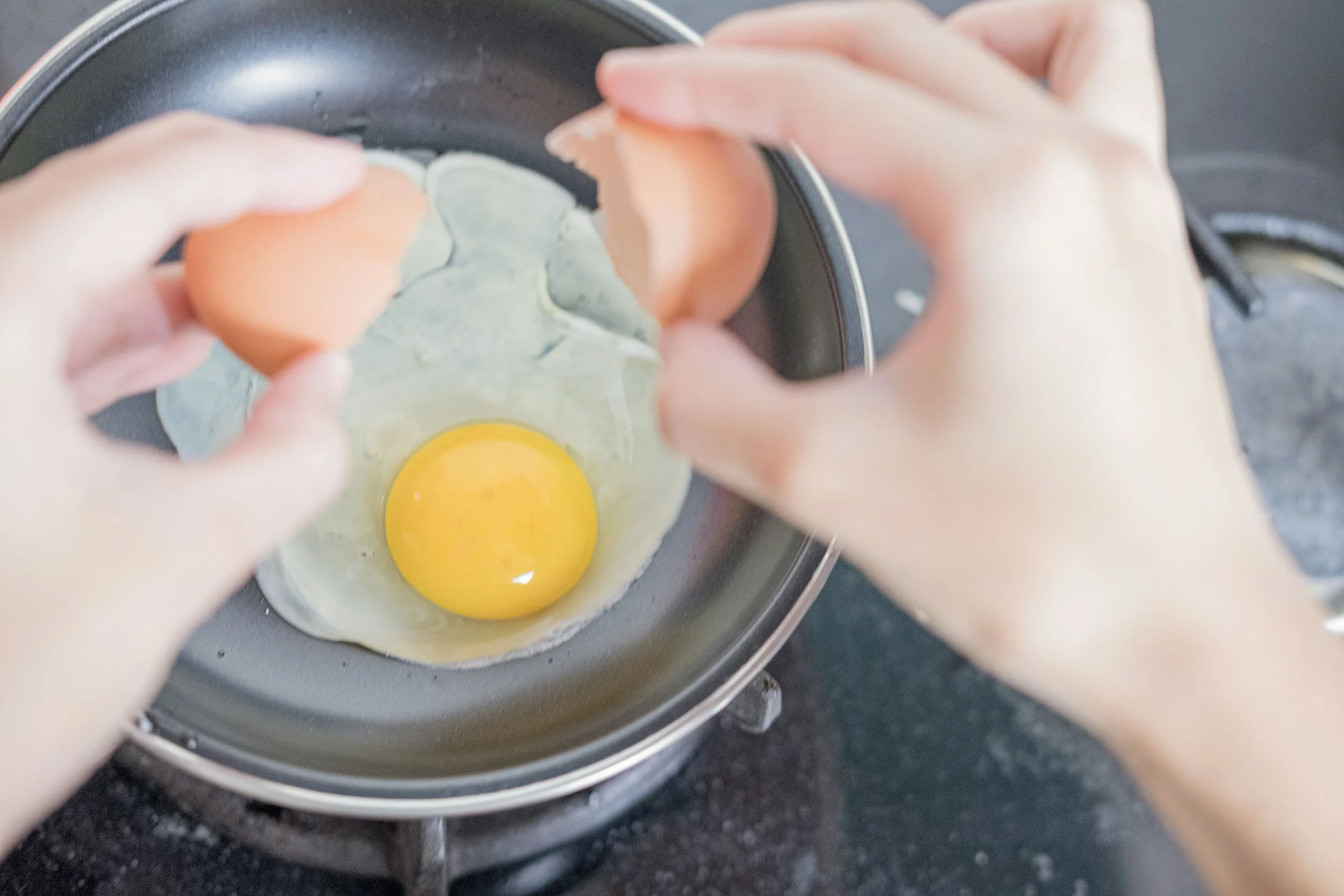
What Makes a Pan “Non-Stick”?
Cooking can be a creative moment. There’s a quiet satisfaction in getting it just right.
A clean flip, a perfect sunny-side up, and an easy clean-up.
Non-stick pans are coated with materials like PTFE (commonly known as Teflon), which create a smooth surface that prevents food from sticking. This is what allows you to cook with less oil and makes washing up quick.
If there are so many benefits, why are we even talking about ditching them?
What Is PTFE?
PTFE (polytetrafluoroethylene) is a synthetic coating used to create that non-stick surface.
It belongs to a broader family of chemicals known as PFAS (per- and polyfluoroalkyl substances), often referred to as “forever chemicals” because they break down very slowly in the body and the environment.
Some PFAS have been studied for potential links to:
hormone disruption
immune system effects
certain cancers
Another concern is wear and tear.
Over time, scratches and degradation of the coating can release tiny particles into food, including micro- and nanoplastics. These are not visible, but they can accumulate in the body over time.
It may seem like a small thing to pay attention to. But when it comes to restoring and maintaining health, these small, everyday exposures are often part of the bigger picture.
Why It Might Be Worth a Second Look
Non-stick pans are not inherently dangerous when used properly. But there are a few things to be aware of.
Temperature
When overheated, especially when left empty on high heat, the coating can begin to break down and release fumes.
Surface wear over time
Scratches and peeling are common with regular use. As the coating degrades, small particles can mix into food.
Short lifespan
Most non-stick pans don’t last long. They often need replacing every few years, sometimes sooner.
Material concerns
Because of their connection to PFAS, non-stick coatings are part of a broader conversation about long-term, low-level exposure.
Ditching Non-Stick (Without Overthinking It)
Whether or not to keep using non-stick pans is a personal decision.
If you are thinking of switching, it doesn’t have to be all at once. You can replace one at a time.
Some alternatives can include;
stainless steel
carbon steel
enamelled cast iron
cast iron
cray pot
copper
ceramic
clay (earthenware)
These alternative materials last for decades, even over generations. Once you get used to them, they become just as easy to cook with and you grow a nice bond with them.
Cast iron, in particular, has its own advantages.
We’ll explore that next. Stay tuned!