Spring Foods and Kitchen Transition
Eating with the Energy of the Season
This is part 5 of 7-part TCM Spring Health Series:
(We recommend starting with the Five Elements Series for deeper context if you haven't yet.)
Spring Foods and Kitchen Shifts (you are here)
Spring calls for lightness, movement, and renewal in life and in the kitchen. In Traditional Chinese Medicine, seasonal eating means adjusting not just what we eat, but how we prepare it. This post explores Spring’s rising energy, Liver-friendly foods, and cooking styles that support digestion, circulation, and emotional clarity. With simple tips and a gentle recipe, you’ll learn how to align your meals with nature’s momentum. Bonus: This pos includes mugwort dumpling dessert recipe.
Spring Energetics in the Kitchen
In Traditional Chinese Medicine (TCM), Spring is governed by the Wood element and the Liver organ system associated with upward movement, renewal, and growth. It’s the season of emergence: energy shifting from inward and storing (Winter) to outward and expanding.
Just as plants push through the soil and stretch toward the sun, our bodies begin to crave clearing, awakening, and lightening. We’re powered by what we stored during the colder months, and now it’s time to mobilize that fuel.
The shift from Winter to Spring invites us to let go of heavier foods and embrace meals that are:
Light yet nourishing
Slightly aromatic or sour to stimulate Liver Qi
Fresh, green, and full of upward movement
Foods That Support Spring Energy
Spring is a time for young, vibrant ingredients and flavours that gently move and clear. The goal isn’t harsh detox, but rather supporting the Liver’s natural desire to rise and circulate. Eating in season helps align your body with nature’s rhythm, encouraging clarity, creativity, and smooth flow.
Consider adding:
More organic food. (We’ll share more about this soon on how to choose organic ingredients wisely while staying budget-conscious.)
Leafy greens: dandelion, spinach, kale, mustard greens, chard, asparagus, Mugwort
Sprouts: mung bean, alfalfa, broccoli, red clover
Spices and garnishes: scallions, chives, fresh ginger, turmeric, cumin, fennel
Ferments & pickles: small amounts to stimulate digestion
Fruits: lemon, lime, grapefruit (in moderation)
Beans: especially mung and adzuki, which are cooling and support natural detoxification
Animal protein: chicken, and small amounts of liver or organ meats
tea; Matcha, green tea, nettle, pepper mint, chrysanthemum, rose,
Other: a splash of apple cider vinegar to brighten and help move stagnation
Avoid or reduce:
Heavily processed foods, especially those with additives, preservatives, or pesticide residue
Heavy sugars or greasy, fried foods
Coffee and alcohol, which can agitate Liver Qi and block smooth flow
Excess gluten or dairy, especially if digestion tends to be sluggish or sensitive
White vinegar, which is often too harsh compared to more Liver-friendly options like lemon or apple cider vinegar
Overeating. Aim for around 80% fullness, leaving space for digestion, lightness, and upward-moving Qi
Spring Cooking Methods
The Liver prefers meals that are quick, light, and clean like a spring breeze in your kitchen. While it can be tempting to leap into raw salads and smoothies, it’s wise to consider your digestive strength first.
If you experience bloating, sluggish digestion, loose stools, or difficulty with larger meals, raw foods may not serve you as well as trends suggest.
In general, favour:
Light steaming: preserves nutrients while staying easy to digest
Quick stir-fries: bright veggies with minimal oil and seasoning
Blanching or simmering: especially for leafy greens and sprouts
Light soups & broths: cleansing, warm, and supportive
A small portion of raw food is fine especially as the weather warms, but be sure to chew thoroughly to aid digestion. (Curious why chewing matters so much? We explore that in our Nourishment page)
Avoid heavy roasts, creamy sauces, or deep-fried dishes that can burden both the Liver and the Spleen (your broader digestive system in TCM, not to be confused with the anatomical spleen in Western medicine).
Seasonal Eating as a Practice
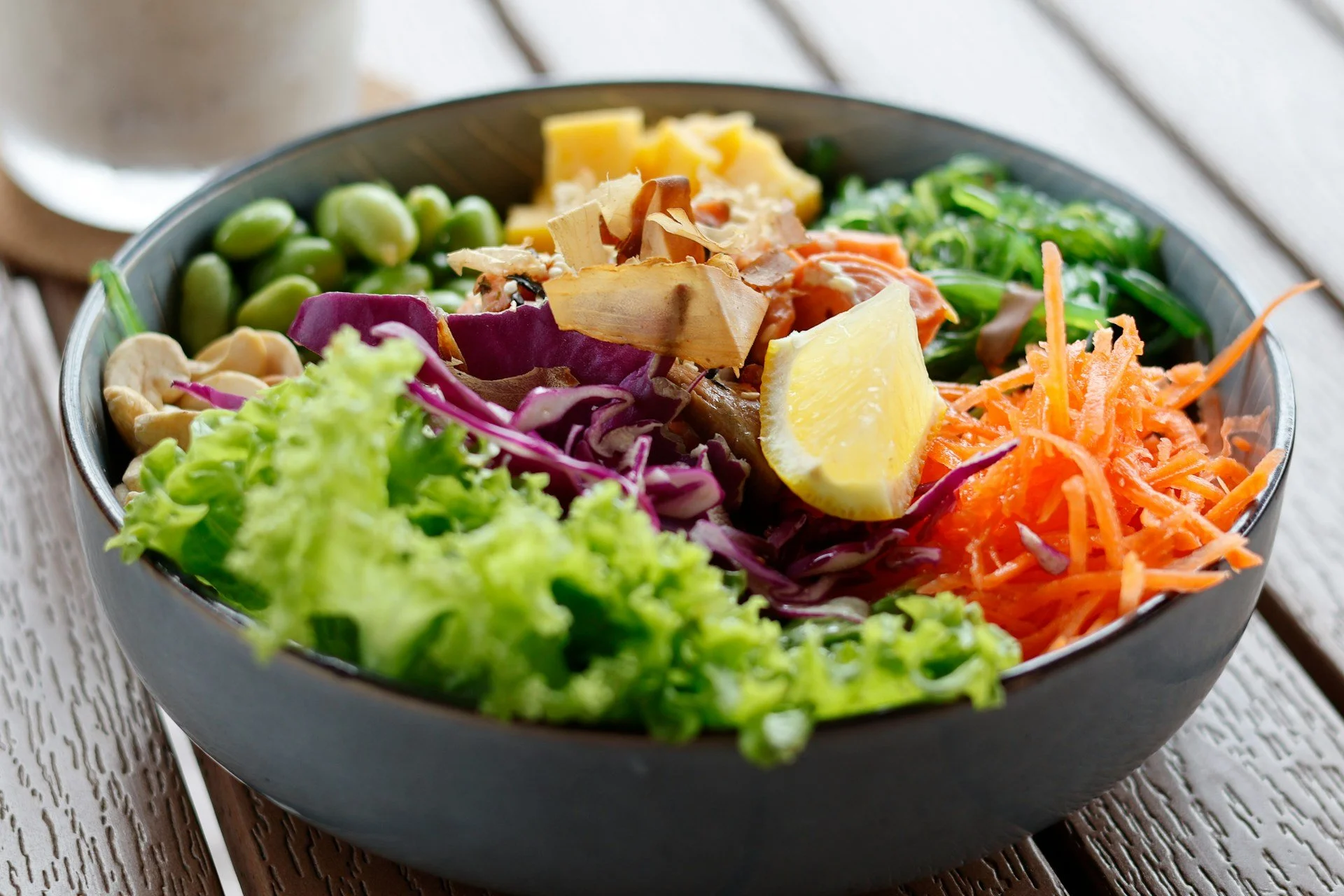
In TCM, the Liver is connected to the eyes, so take a moment to enjoy your food visually. A Spring plate can be vibrant and colourful, waking the senses before the first bite.
Digestion begins well before food reaches your stomach. It starts with thinking, seeing, smelling, hearing, tasting and then chewing.
Seasonal eating isn’t just a food list, it’s a relationship with your body. Are you craving greens? Is your digestion sluggish or your mood stuck? Adjusting your meals is a powerful way to support your body’s shift from Yin (Winter) to Yang (Spring).
Let your kitchen reflect the season: a place of lightness, creativity, and renewal.
Spring Recipe: Mugwort Dumplings (Sweet Rice Balls)
Mugwort (Artemisia) has long been treasured in Traditional Chinese Medicine for its ability to move Blood, warm the uterus, and support Liver function.
Its slightly bitter, aromatic nature helps awaken the body after winter’s stillness and encourages gentle circulation. While commonly used in moxibustion, mugwort is also a culinary herb that’s both healing and nostalgic in many East Asian traditions.
This simple seasonal dessert is both grounding and invigorating, a perfect way to honour springtime in the kitchen.
Ingredients
Glutinous rice flour (also called sweet rice flour. Available at Asian grocery stores): 100g
(Despite the name, it's gluten-free.)Fresh mugwort leaves: 5g, cleaned
(Look for these at Asian markets or herbal shops, they often sell the whole plant with roots attached. You can plant it at home and harvest the leaves to dry later. Dried mugwort is lovely for tea, but fresh is best for this recipe)Water: for boiling and dough-making
Optional toppings (choose one or mix and match):
Ground roasted black sesame seeds & black sugar syrup (or molasses or maple syrup)
Roasted soybean flour (Kinako), with a pinch of salt and brown sugar
Thin syrup made with brown rock sugar (aim for 5% concentration: e.g. 10g sugar in 200ml water) and a few goji berries and few slices of fresh ginger
Instructions
Blanch mugwort leaves briefly in boiling water, then strain.
Use a mortar and pestle to grind the mugwort into a rough paste.
In a mixing bowl, combine the mugwort paste with glutinous rice flour.
Add just enough water to form a soft, pliable dough, similar in texture to your earlobe.
Shape into small balls or flat discs (The dough is soft and doesn’t hold its shape for long, so it’s best to drop each piece into the boiling water right after shaping.)
Drop them gently into boiling water. Once they float to the surface, they’re done (this only takes a few minutes).
Transfer the cooked dumplings to cold water to chill and firm up slightly.
Serve warm or room temperature, topped with your chosen garnish or syrup.
These dumplings are light, satisfying, and subtly earthy from the mugwort, an invitation to slow down, savour, and enjoy the season of renewal.
Enjoy!
In our next post we’ll explore Movement, Vision, and Planning for the Year